Table of Contents
What is Meningococcal Meningitis?
- Meningococcal Meningitis is a serious bacterial infection caused by the gram-negative bacteria Neisseria meningitidis.
- Meningococcal Meningitis is commonly known as Meningitis.
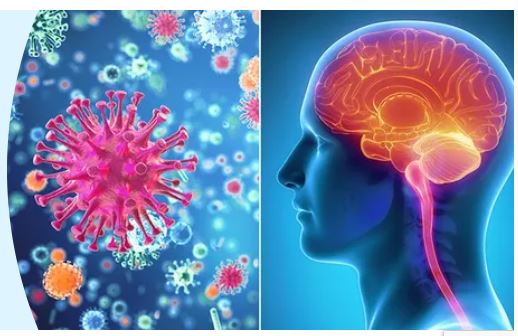
- Meningitis is a general term used for inflammation of three tissues that surround human brain and spinal cord, the meninges.
- It primarily infects the meninges, the protective membranes covering the brain and spinal cord.
- Meningococcal bacteria can cause meningitis (meningococcal meningitis) or a dangerous bloodstream infection (septicaemia)
- N. meningitidis is classified into 12 serotypes based on differences in its capsular polysaccharides.
- Among these, serogroups A, B, C, W, X, and Y are responsible for the majority of meningococcal infections worldwide.
Why Meningococcal Diseases is Life-Threatening?
- Meningococcal disease is a medical emergency that can progress rapidly, causing life-threatening organ failure and can be fatal within hours.
- Even with appropriate treatment, 10–15% of cases are fatal.
- Survivors may suffer from long-term complications, including:
- Hearing loss, brain damage, and learning difficulties
- Limb amputations, caused by severe tissue damage resulting from septicaemia.
What are the Causes of Meningitis?
Different types of Meningitis are caused by different bacteria. Specific causes of each type of meningitis are:
- Bacterial meningitis: Common bacteria include Strepcoccus pneumoniae, group B Streptococcusand Neisseria meningitidis.
- Viral meningitis: Viruses include non-polio enteroviruses, like group B coxsackievirus and echovirus.
- Fungal meningitis:Some fungi that can cause meningitis include Cryptococcus neoformans, Coccidioides immitis and Candida.
- Parasitic meningitis: Parasites that can cause this meningitis include rat lungworm and Baylisascaris procyonis (a roundworm).
- Drug-induced aseptic meningitis (DIAM):NSAIDs and antibiotics are the most common causes of DIAM. But overall, it’s rare.
- Carcinomatous meningitis: Cancer cells get into your meninges and cause inflammation. It can occur in the advanced stage of any cancer.
- Post-traumatic meningitis: This can result from brain or head injury.
- Autoimmune meningitis: Autoimmune conditions like lupus and rheumatoid arthritis are causes.
Characteristics of the Neisseria meningitidis Bacteria
- Neisseria meningitidis is an aerobic or facultative anaerobic, gram-negative diplococci, non-motile, and non-spore-forming, lanceolate-shaped bacterium, also known as meningococcus.
- The virulence of Neisseria meningitidis is influenced by multiple factors, including capsular polysaccharide expression, surface adhesive proteins, iron sequestration mechanisms, and endotoxin production.
Serogroups of Meningococci and Their Importance
- Neisseria meningitidis is classified into 13 serogroups based on capsular polysaccharide antigen.
- Major disease-causing serogroups: A, B, C, W135, X, and Y.
- Serogroup A has historically caused large epidemics in the African meningitis belt.
- Serogroups A, B, C, Y, W135 account for about 90% of all infections.
- Knowledge of serogroups is essential for disease surveillance, prevention strategies, and vaccine planning.
How Does Meningococcal Infection Transmit?
- Meningococcal disease is transmitted from person to person through close contact.
- The bacteria spread via saliva and respiratory secretions, especially during activities such as:
- Coughing or sneezing
- Kissing
- Sharing drinks, food, or eating utensils
What are the Risk Factors for Meningococcal Meningitis?
Several factors increase the risk of meningococcal meningitis, including:
- Low vaccination coverage
- Travel to or residence in endemic or epidemic areas
- Immunocompromised individuals, including people living with HIV
High-risk settings that facilitate transmission include:
- Close and crowded living conditions, such as:
-
- Refugee and displacement camps
- Military barracks
- Hostels and boarding schools
- Mining areas, where workers live and work in close proximity
- Mass gatherings, including religious pilgrimages and sporting events
What are the Signs and Symptoms of Meningococcal Meningitis?
It includes:
- Sudden fever
- Headache
- Nausea
- Vomiting
- Fatigue
- Muscle aches
Classic signs are :
- High fever
- Neck stiffness
- Non-blanching petechial or purpuric rash
Common Symptoms in infants
- Poor feeding,
- Irritability,
- Bulging fontanelle,
- High-pitched cry,
- Lethargy
Common Symptoms in children and adults
- Severe headache
- Photophobia
- Confusion
- Vomiting
- Neck stiffness.
How is Meningococcal Meningitis Diagnosed?
- Diagnosis of meningitis is based on a medical history, a physical exam and certain microbiological tests, including culture and serological diagnosis.
Laboratory Diagnosis
1. Lumbar Puncture (CSF Analysis)
- Collect cerebrospinal fluid (CSF) via lumbar puncture.
- Typical CSF findings for bacterial meningitis:
-
-
- Elevated white blood cell (WBC) count (mainly neutrophils)
- Increased protein
- Decreased glucose (compared to blood glucose)
- Gram stain may show Gram-negative diplococci (Neisseria meningitidis)
- Culture confirms N. meningitidis.
-
2. Blood Culture
- Often positive, especially if bacteraemia is present.
- Helps identify the organism and determine antibiotic susceptibility.
3. Polymerase Chain Reaction (PCR)
- Detects meningitidis DNA.
- Useful when antibiotics were given before lumbar puncture (may make culture negative).
4. Other Tests
- Rapid antigen tests on CSF or urine (less common, for quick diagnosis in outbreak settings).
- Complete blood count (CBC) and markers of infection (CRP, procalcitonin).
Serotyping of meningococci is important because meningitidis serogroup-specific vaccines are available for serogroups that cause meningococcal meningitis epidemics.
Imaging
- CT or MRI may be done if there are concerns about increased intracranial pressure before lumbar puncture.
Importance of Rapid Diagnosis
- Early detection is crucial for prompt treatment, reducing mortality and long-term complications, and controlling outbreaks.
How can we Treat Meningococcal Meningitis?
Antibiotic Treatment for Meningococcal Disease
- Antibiotic therapy should be started immediately when bacterial meningitis is suspected and should not be delayed while waiting for lumbar puncture results.
- Choice of antibiotics depends on the patient’s age, immune status, and local antimicrobial resistance patterns.
- Commonly used antibiotics include ceftriaxone or penicillin, typically administered intravenously (IV).
Supportive and Intensive Care Management
- Maintain airway and oxygenation
- Provide sufficient intravenous fluids
- Correct metabolic disturbances
- Control fever
- Consider anti-seizure medicines if a symptomatic seizure occurs
Treatment of Close Contacts (Chemoprophylaxis)
- Antibiotic prophylaxis is given to close contacts of meningococcal cases to prevent secondary infection
- Reduces asymptomatic nasopharyngeal carriage of meningitidis
- Common antibiotics used: Ceftriaxone, Ciprofloxacin, Rifampicin
How Can We Prevent & Control Meningitis?
Meningococcal Vaccines: Types and Schedules
- Vaccination is the most effective way to prevent meningococcal disease.
- MenB vaccines (Bexsero, Trumenba): Protect against serogroup B; can be given to infants, children, and adults.
- MenACWY vaccines (Menactra, Menveo, MenQuadfi): Quadrivalent vaccine protecting against serogroups A, C, W, and Y.
- MenABCWY vaccines (Penbraya, Penmenvy): Pentavalent vaccine protecting against A, B, C, W, and Y; recommended for those needing both MenB and MenACWY in a single visit.
Dosing schedules
- Multiple doses may start from 2 months, depending on vaccine type.
- Booster dose recommended at 11–18 years, according to national guidelines.
Role of Vaccination in Outbreak Prevention
- Vaccination is the most effective strategy to prevent meningococcal cases and outbreaks.
- Helps stop the rapid spread of the disease in communities.
- Protects vulnerable populations, including infants, adolescents, and immunocompromised individuals.
Infection Control and Public Health Measures
To stop the spread of meningitis, infection control focuses on:
- Vaccination to prevent disease in high-risk populations
- Prompt antibiotic prophylaxis for close contacts
- Strict hygiene practices: handwashing, covering mouth/nose when coughing or sneezing.
- Isolation of infected individuals to prevent transmission.
- Surveillance and rapid diagnosis to detect and respond to cases quickly
- Public awareness campaigns to educate communities.
- Targeted vaccination during outbreaks to control the spread.
Public Health Importance
Global Epidemiology of Meningococcal Meningitis
- Epidemics of meningitis are seen across the world, particularly in sub-Saharan Africa.
- The epidemiology of meningococcal disease is influenced by multiple factors, including geography, climate, serogroups, and human population.
- Of the 13 serogroups identified, only serogroups A, B, C, and recently W135 are known to cause epidemics.
Meningitis Belt of Africa and Seasonal Trends
- The highest burden of meningococcal disease is seen in the meningitis belt of sub-Saharan Africa, extending from Senegal in the west to Ethiopia in the east, where serogroups A and W-135 predominate.
- The risk rises during the dry season (December–June), when dusty winds, cold nights, and frequent upper respiratory infections damage the nasopharyngeal mucosa, making people more susceptible to meningococcal infection.
Surveillance and Rapid Response Strategies
- From case detection through investigation and laboratory confirmation is essential for effective meningitis control.
- It helps detect and confirm outbreaks early and monitor disease trends over time.
- It also helps assess the impact of meningitis control strategies, especially preventive vaccination programs.
- Vaccination is the most effective strategy for preventing meningococcal cases and outbreaks.
- Country preparedness, including readiness plans and trained response teams, is key to a timely and effective response.
Key Takeaways
- Meningococcal disease is a fast, life-threatening infection caused by Neisseria meningitidis.
- Spread by close contact, respiratory droplets, saliva.
- Early antibiotics, supportive care, and vaccination are key to prevention and reducing complications.
References and For More Information
- https://www.afro.who.int/health-topics/meningococcal-meningitis#:~:text=The%20extended%20meningitis%20belt%20of,highest%20rates%20of%20the%20disease.
- https://www.epid.gov.lk/storage/post/pdfs/Fact%20sheet%20WH%20-%20Meningococcal%20meningitis%20-%20UPDATED_05122011%20-.pdf
- https://www.ncbi.nlm.nih.gov/books/NBK549849/
- https://www.healthline.com/health/meningitis/an-expert-explains-meningitis-serogroups#:~:text=However%2C%20six%20serogroups%20are%20primarily,C%2C%20W%2C%20X%2C%20and%20Y.
- https://www.who.int/activities/ensuring-effective-meningitis-surveillance
- https://www.who.int/activities/preventing-and-controlling-meningitis-outbreaks#:~:text=The%20key%20to%20a%20timely,rapid%20supply%20of%20meningococcal%20vaccines.&text=Target%20product%20profile%20for%20a,meningitis%20outbreak%20response%20and%20surveillance
- https://my.clevelandclinic.org/health/diseases/22442-meningococcal-disease
- https://cdn.who.int/media/docs/default-source/crs-crr/epi-win_overview-of-meningitis-guidelines_finalcb90ca91-65b1-4144-9af5-bf43409c221d.pdf
- https://www.healthline.com/health/precautions-for-meningitis#vaccination
- https://www.ncbi.nlm.nih.gov/books/NBK568762/
- https://cdn.who.int/media/docs/default-source/crs-crr/epi-win_overview-of-meningitis-guidelines_finalcb90ca91-65b1-4144-9af5-bf43409c221d.pdf
- https://www.who.int/news-room/fact-sheets/detail/meningitis
- https://historyofvaccines.org/diseases/bacterial-meningitis-meningococcal-disease
- https://pmc.ncbi.nlm.nih.gov/articles/PMC4349422/#S2
- https://vaccineschedule.ecdc.europa.eu/Scheduler/ByDisease?SelectedDiseaseId=48&SelectedCountryIdByDisease=-1
