Table of Contents
What is Acute Lymphoblastic Leukemia (ALL)
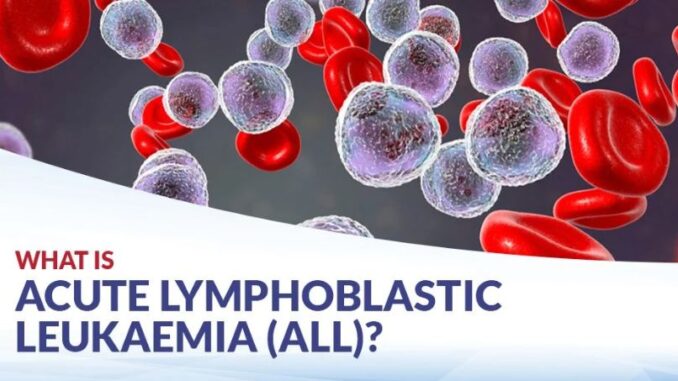
- Acute Lymphoblastic Leukemia (ALL), also known as acute lymphocytic leukemia, is a rapid growing cancer of the blood and bone marrow that affects white blood cells called lymphocytes.
- Acute Lymphoblastic Leukemia originates in the lymphoblasts, which are immature white blood cells.
- The abnormal cells grow quickly and interfere with the production of healthy
- Red blood cells (which carry oxygen)
- White blood cells (which fights infection)
- Platelets (which helps in blood clot)
- ALL is the most common type of cancer in children.
Classification and Types of Leukemia
Leukemia is broadly classified into four types:
- Acute Lymphoblastic Leukemia (ALL)
- Acute Myeloid Leukemia (AML)
- Chronic Lymphocytic Leukemia (CLL)
- Chronic Myeloid Leukemia (CML)
ALL can be further classified on the basis of type of lymphocyte affected:
- B-cell ALL: It is more common in children. Approximately, 85% of childhood cases linked to it.
- T-cell ALL: It is more common in teenagers and adults
Characteristics of Acute Lymphoblastic Leukemia (ALL)
- Develops quickly
- Requires urgent treatment
- Originates in immature lymphoid cells
Causes and Risk Factors
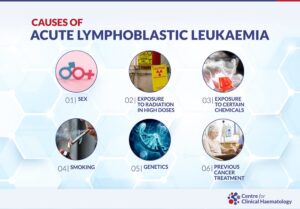
The exact cause of Acute Lymphoblastic Leukemia (ALL) is unknown.
However, there are various risk factors that increase the susceptibility of the ALL. They are:
1. Genetic factors
- Chromosomal abnormalities like Philadelphia chromosome are generally found in adult cases
- Inherited syndromes such as Down’s Syndrome, Li-Fraumeni Syndrome or Fanconi anemia increase ALL risk.
2. Environmental exposures
- Chemical exposures to benzene and certain pesticides
- Radiation exposures
3. Previous cancer treatments
- Chemotherapy or radiation therapy for other type of cancers may also lead to secondary leukemia.
4. Viral infections
- Certain viruses like Epstein-Barf Virus (EBF) may also contribute to Acute Lymphoblastic Leukemia (ALL) in rare cases.
Other risk factors: that increase the severity of ALL
- Age of diagnosis
- Preliminary white blood cell (WBC) count
- Body response to the initial treatment
Signs and Symptoms
Symptoms arise due to the replacement of healthy bone marrow cells including leukemia cells, impairing normal blood cell production. Some of the common symptoms include:
General symptoms:
- Fatigue and weakness
- Fever and frequent infections
- Unexplained weight loss
- Night sweats
- Pale skin
- Shortness of breath
Hematological symptoms
- Frequent bruising and bleeding due to low platelets count
- Symptoms of anemia
- Bone and joint pain
Lymphatic and Systemic Symptoms
- Swollen lymph nodes
- Enlarged liver or spleen causing abdominal fullness
- Headache or seizures, in cases when the leukemia cells spread to brain or spinal cord
It is important to note that these symptoms are non-specific and medical evaluation and diagnosis is essential.
Diagnosis of Acute Lymphoblastic Leukemia (ALL)
- Complete Blood Count (CBC): High white blood cell count, low hemoglobin, low platelets and presence of blast cells in the bloodstream indicate Acute Lymphoblastic Leukemia (ALL)
- Peripheral blood smear: It detects the presence of blast cells
- Bone marrow aspiration and biopsy: Confirmatory test shows >25% lymphoblasts in bone marrow
- Immunophenotyping: Identifies whether leukemia is B-cell or T-cell lineage
- Cytogenic and molecular testing: It detects chromosomal abnormalities like Philadelphia chromosome.
- Lumbar puncture: Determines the involvement of central nervous system
Stages of Acute Lymphoblastic Leukemia (ALL)
ALL patients are divided into 3 different stages:
- Standard risk
- High risk
- Very high risk
Prevention
- There is no known way to prevent Acute Lymphoblastic Leukemia (ALL) as most cases appear without clear cause.
- However, limiting unnecessary radiation exposure and avoiding harmful chemicals helps to prevent ALL.
Treatment of Acute Lymphoblastic Leukemia (ALL)
1. Chemotherapy
- Chemotherapy is the backbone of Acute Lymphoblastic Leukemia (ALL) treatment. It is basically divided into 3 stages;
- Induction stage: to achieve remission
- Consolidation/intensification stage: to kill the remaining cancer cells
- Maintenance: It is low dose chemotherapy for 2-3 years
2. Targeted therapy
3. Radiation therapy
4. Stem cell transplantation
- It is generally used in high risk or relapsed patients, especially in adults
- Requires matched donor and high-level care
5. Immunotherapy: It helps the body’s immune system to identify and destroy cancer cells.
6. Consolidation (intensification) therapy
- It includes elimination of remaining leukemia cells through additional chemotherapy.
7. Maintenance therapy
- Lower dose of chemotherapy to help prevent leukemia from returning.
- It can last up to two years and is crucial to long-term survival.
Survival Rates
- Survival rates depend on age, genetic markers, overall health and body’s response to treatment
- Children have highest survival rates of any cancer types with survival often exceeding 85%
- Adults have typically lower survival rates than children. However, targeted therapy and immunotherapy are improving outcomes each year.
Tips for Patients and Caregivers
- Depend on the support networks
- Practice infection prevention strategies
- Stay informed about medical updates and innovation
- Communicate openly about the challenges and problems with the healthcare providers
References and For More Information
www.cancer.org/cancer/acute-lymphocytic-leukemia.html
www.cancer.gov/types/leukemia/patient/child-all-treatment-pdq
www.cancer.gov/types/leukemia/hp/adult-all-treatment-pdq
www.mayoclinic.org/diseases-conditions/acute-lymphocytic-leukemia
www.lls.org/leukemia/acute-lymphoblastic-leukemia
www.stjude.org/care-treatment/treatment/acute-lymphoblastic-leukemia.html
www.my.clevelandclinic.org/health/diseases/16101-acute-lymphoblastic-leukemia-all
www.hopkinsmedicine.org/health/conditions-and-diseases/acute-lymphoblastic-leukemia
www.medlineplus.gov/acutelymphoblasticleukemia.html
www.cancerresearchuk.org/about-cancer/acute-lymphoblastic-leukaemia-all
www.stanfordhealthcare.org/medical-conditions/cancer/leukemia/acute-lymphoblastic-leukemia.html
www.dana-farber.org/cancer-care/types/leukemia/acute-lymphoblastic-leukemia-all
www.mdanderson.org/cancer-types/acute-lymphoblastic-leukemia.html
www.hematology.org/education/patients/leukemia
